
 +91 9876543210








 React Native Development
 Angularjs 2 Development
 Angularjs Development
 Nodejs Development
Piccosoft

Picco Labs
Picco AI
Piccosoft
Blogs
Showcases blog posts as Entries, grouped into categories like Lifestyle, Technology, or Travel. Each blog uChannel for blog templatesses a Blog Template for engaging and readable layouts.
Startups are born out of passion, vision, and a desire to disrupt the market with innovative solutions. At Piccosoft, we don’t just work for startups; we become part of their journey. We step in as a dedicated technical partner who aligns with the startup’s vision, invests time to understand their goals, and provides the strategic technical guidance needed to make them a success. Alignment with Vision When startups choose Piccosoft, they gain a partner who resonates with their mission. We immerse ourselves in understanding their unique value propositions, target audiences, and market goals. Our commitment goes beyond development; we adapt to the startup’s pace, pivot with them when needed, and ensure our tech solutions are in sync with their evolving goals. Innovative Technical Solutions Our team at Piccosoft is equipped to provide end-to-end solutions for startups, from conceptualization to execution. Whether it’s building scalable web applications, mobile apps, or robust backend systems, we leverage the latest technologies to create products that stand out in the market. We specialize in diverse tech stacks, including NodeJS, Flutter, AngularJS, ReactJS, Golang, and Blockchain, ensuring that our solutions are not only innovative but also future-ready. Strategic Market Guidance Technology is not just about coding, it’s about creating an impact in the market. At Piccosoft, we don’t stop at development. We guide startups with go-to-market strategies and product optimization, identifying what works best to engage users. We offer insights into user experiences, product scaling, and integrations that can boost a startup’s growth trajectory. Our goal is to ensure that the technology aligns with market needs, enabling startups to make informed decisions. Unmatched Support We understand the challenges startups face and provide round-the-clock technical support to ensure smooth operations. Our teams work as an extension of the startup’s core team, providing real-time solutions and fixes to technical issues. From handling minor glitches to managing major system upgrades, we ensure seamless operations. Ideas That Inspire Growth Our collaboration isn’t just about executing what’s already planned; it’s about co-creating. We actively contribute ideas to refine features, enhance usability, and build a roadmap for continuous improvement. With our industry experience and exposure to various markets, we provide actionable insights that align with both technical feasibility and business potential. Why Piccosoft? With a proven track record of empowering startups across industries, Piccosoft has established itself as a reliable technical partner. We are committed to delivering solutions that are cost-effective, scalable, and tailored to meet specific business needs. Our approach is built on collaboration, transparency, and agility, ensuring that startups have the support they need to thrive in a competitive landscape. Join Hands with Piccosoft If you are a startup looking for a dedicated technical partner who can turn your vision into reality, Piccosoft is here to help. Together, we can shape the future and bring your innovative ideas to life.
Continue reading »

As businesses embrace digital transformation, cloud migration has become essential for improving operational efficiency, scalability, and cost-effectiveness. However, migrating to the cloud isn’t just about moving data from on-premises servers to a remote cloud environment; it requires careful planning, strategy, and execution. To ensure a smooth and successful transition, organizations need to follow some best practices during the cloud migration process. 1. Develop a Clear Cloud Migration Strategy The first step in any successful cloud migration is defining a clear and comprehensive strategy. It is essential to assess your organization’s objectives, such as improving system performance, reducing costs, or increasing scalability. Understand the reasons behind the migration and ensure all stakeholders are aligned on the goals. Once the objectives are clear, map out the scope of the migration, identifying which applications, data, and processes need to be moved. This phase should include: A detailed inventory of your IT infrastructure. Identifying dependencies between applications. Analysing workloads to determine the cloud model (public, private, or hybrid) that suits your business needs. 2. Conduct a Comprehensive Assessment of Your Current Environment Before moving to the cloud, it’s critical to perform an in-depth assessment of your current IT environment. This includes: Workload analysis: Identify which applications are cloud-ready, which need modification, and which should remain on-premises. Data assessment: Review the types and volume of data, and determine the required security and compliance measures. Cost analysis: Understand the financial impact of the migration by calculating both immediate and long-term cloud costs compared to your current system. This assessment helps you prioritize workloads for migration and plan resources accordingly. 3. Choose the Right Cloud Model and Provider Selecting the right cloud model (public, private, or hybrid) is critical to meeting your business’s operational needs. For instance: Public cloud: Best for scalability and lower costs but may pose security and compliance challenges. Private cloud: Suitable for companies needing higher control over data and infrastructure. Hybrid cloud: Provides flexibility by allowing you to keep critical workloads on-premises while leveraging the scalability of public cloud services. 4. Prioritize Security and Compliance Security concerns are often a major challenge in cloud migration. To mitigate risks: Use encryption for both data in transit and at rest. Implement identity and access management (IAM) to control who has access to what. Ensure your cloud provider offers robust monitoring and auditing tools to maintain visibility across your environment. Compliance with industry standards and regulations (such as GDPR, HIPAA, or PCI-DSS) is also crucial. Your organization must ensure that sensitive data is handled in compliance with applicable laws, especially when migrating to a multi-tenant cloud environment. 5. Leverage Automation and Cloud-Native Tools Migration should not be a manual task. Leveraging automation tools can help simplify the process, reduce downtime, and minimize errors. Cloud-native tools, such as AWS CloudFormation or Azure Resource Manager, allow you to manage resources with code and automate provisioning and configuration processes. Additionally, automation can streamline repetitive tasks such as testing, monitoring, and backups, ensuring the migration process is efficient and risk-free. 6. Implement a Phased Migration Approach Rather than moving everything at once, use a phased approach for cloud migration. Migrate non-critical workloads first as a pilot project to gain familiarity with the cloud environment. This approach allows you to test the waters, identify issues, and fine-tune the process before migrating more critical workloads. Breaking the migration into smaller, manageable phases helps to: Mitigate risks. Reduce disruption to your business. Allow teams to adjust to the new system incrementally. 7. Optimize for Performance Post-Migration Once the migration is complete, optimizing performance in the cloud environment is key. Cloud platforms offer scalability, but that does not automatically ensure performance optimization. Constantly monitor system performance, resource utilization, and network latency. Moreover, cost optimization should be prioritized. Use tools like AWS Cost Explorer or Azure Cost Management to analyse and manage cloud expenses. Companies often find opportunities to reduce costs by rightsizing resources, removing unused assets, or shifting to cheaper cloud storage options. 8. Train Your Team and Foster a Cloud-First Culture Cloud technology requires a different mindset and skill set compared to traditional IT infrastructure. Your IT team should receive comprehensive training to manage cloud operations, security, and ongoing optimization. Additionally, fostering a cloud-first culture across the organization ensures that departments are aligned with cloud-native thinking, whether in terms of development, operations, or security. 9. Plan for Disaster Recovery and Business Continuity Disaster recovery (DR) and business continuity plans should not be overlooked when migrating to the cloud. Work with your cloud provider to set up a robust DR plan that includes regular backups, replication, and failover mechanisms. Ensure that you can recover critical applications and data quickly in the event of an outage. Conclusion Cloud migration can transform your business by enhancing scalability, cost-efficiency, and agility. However, it requires careful planning and execution to avoid common pitfalls. By developing a clear strategy, assessing your environment, choosing the right cloud model, prioritizing security, and leveraging automation, your organization can successfully navigate the complexities of cloud migration. At Piccosoft , we specialize in guiding businesses through seamless cloud migration journeys. Our expertise in cloud technologies ensures that we not only help you move to the cloud but also optimize your systems for performance and security. Whether you’re looking to scale, cut costs, or enhance operational efficiency, Piccosoft provides tailored solutions to meet your unique needs. With a focus on precision and innovation, we help businesses harness the full potential of the cloud for long-term success.

PHP usage statistics In November 2021, PHP was still powering over 30,000 of the top 1 million websites. However, just two years later, that number has nearly halved, with PHP usage now closer to 15,000 sites, according to BuiltWith. JetBrains surveys, shows PHP’s popularity falling from around 30% to 18% between 2018 and 2023. This 40% decline highlights a significant shift in the web development landscape, as more developers transition to modern technologies like JavaScript. One of the main reasons for PHP’s fall from grace is WordPress’ shift towards a “JavaScript-first” approach. WordPress, the world’s most popular content management system, has long been powered by PHP. However, the introduction of Gutenberg, a block-based interface, has steered development efforts away from PHP and towards JavaScript. Matt Mullenweg, WordPress co-creator and CEO of Automattic, confirmed this during WordCamp Asia 2024, stating that WordPress is now primarily a JavaScript project. Although PHP remains critical to WordPress’ backend, much of the new development is happening in JavaScript. Mullenweg even mentioned that processing tasks, which traditionally occur server-side in PHP, could now be more efficiently handled client-side using JavaScript. This transition has been challenging for developers who have relied on PHP, especially as Gutenberg’s abstractions and JavaScript complexity make the new system unfamiliar. What does this mean for PHP? While WordPress’ pivot to JavaScript has contributed to the decline, it is not the sole cause. The popularity of JavaScript frameworks like React, coupled with the growing preference for full-stack JavaScript development, has shifted the web development landscape. PHP’s image as a legacy language hasn’t helped either, as younger developers are increasingly choosing more modern languages. Despite this, PHP is far from dead. The PHP Foundation, established in 2021, is committed to sustaining the language. With key sponsors like JetBrains and Automattic, and active contributions from a dedicated group of developers, PHP continues to evolve. The foundation’s challenge, however, is addressing PHP’s tarnished public image and competing with the rapid growth of JavaScript. Conclusion While PHP is undeniably losing ground, it is still alive and evolving. As the web development community continues to move towards JavaScript, PHP will likely play a smaller role. However, with a strong foundation and millions of websites still dependent on it, PHP isn’t disappearing any time soon. Its challenge lies in adapting to modern demands while retaining the trust of its loyal community. Whether it can regain its former status remains to be seen. Piccosoft exemplifies this adaptability, leveraging its strong foundation in PHP to transition seamlessly into the JavaScript era. By embracing cutting-edge technologies such as JavaScript frameworks, Node.js, and blockchain solutions, Piccosoft is helping businesses modernize their applications and navigate this evolving landscape.
Successful project execution requires not only skilled professionals but also the right project management methodology. The approach you choose can significantly impact the workflow, timelines, and final deliverables. At Piccosoft, we bring our expertise to several methodologies — Agile, Scrum, Kanban, Waterfall, Lean, Six Sigma, and Extreme Programming (XP) to deliver projects that align perfectly with your business needs. Below, we explore these methodologies and how Piccosoft tailors each to ensure project success. Agile: Delivering Flexibility and Continuous Improvement Best Suited For: Software development, flexible projects Key Features: Iterative cycles, customer feedback, flexible scope Piccosoft’s Approach: Piccosoft applies Agile to ensure rapid iterations and regular client feedback, keeping projects aligned to goals. Agile’s adaptability makes it ideal for projects where requirements might change during the execution phase. Our teams thrive on the close collaboration Agile promotes, allowing for swift adjustments in real time based on client needs. Scrum: Structured Sprints for Focused Delivery Best Suited For: Short-cycle projects, teams requiring structure Key Features: Sprints, defined roles, daily stand-ups Piccosoft’s Approach: Piccosoft uses Scrum for teams that need focused sprint cycles, allowing efficient delivery in controlled bursts. With Scrum, each team member has clear responsibilities, and frequent communication through daily stand-ups ensures no one falls off track. This structure makes it ideal for meeting project deadlines while maintaining high-quality deliverables. Kanban: Visual Workflow Management for Efficiency Best Suited For: Continuous delivery, operational workflows Key Features: Visual boards, continuous task flow, work-in-progress limits Piccosoft’s Approach: Piccosoft utilizes Kanban for continuous improvement, tracking tasks visually and removing bottlenecks as needed. By limiting work-in-progress, our teams ensure that tasks move through the workflow smoothly, preventing overload and maintaining efficiency in delivery. This is especially effective in operational environments or where ongoing tasks flow consistently. Waterfall: Sequential Planning for Predictability Best Suited For: Projects with fixed requirements and clear timelines Key Features: Sequential phases, strict documentation Piccosoft’s Approach: For projects requiring a structured approach, Piccosoft implements Waterfall to ensure precision and clear progress. Waterfall’s linear, step-by-step methodology ensures that each phase of the project must be completed before moving on to the next, making it ideal for projects with fixed requirements. This method excels in projects like system implementation or construction, where the scope is unlikely to change. Lean: Maximizing Value by Minimizing Waste Best Suited For: Process efficiency, reducing waste Key Features: Focus on value delivery, minimizing non-essential processes Piccosoft’s Approach: Piccosoft integrates Lean practices for clients seeking to optimize cost and resource use, enhancing value. We focus on eliminating waste by removing non-value-added activities, thereby streamlining the workflow and improving efficiency. This helps businesses achieve faster delivery times and reduced costs without sacrificing quality. Six Sigma: Data-Driven Quality Management Best Suited For: Quality management, process improvement Key Features: Data-driven decisions, reducing variability Piccosoft’s Approach: Piccosoft employs Six Sigma principles for improving quality by minimizing errors and streamlining operations. By focusing on data and statistical analysis, Six Sigma allows us to enhance quality control and achieve near-perfect results in industries where precision is critical, such as manufacturing and healthcare. Extreme Programming (XP): Delivering High-Quality Software Through Collaboration Best Suited For: High-quality software output, quick customer collaboration Key Features: Continuous integration, pair programming, test-driven development Piccosoft’s Approach: For software requiring frequent updates and high technical standards, Piccosoft uses XP to ensure fast, quality releases. By incorporating practices like pair programming and test-driven development (TDD), we ensure that code quality is maintained, and bugs are minimized early in the process. XP’s close customer collaboration model ensures that the final product is exactly what the customer envisions, with continuous feedback loops and frequent releases. Conclusion: Tailoring Methodologies to Business Needs with Piccosoft At Piccosoft , we believe that every project is unique, and so should be its management approach. Whether it’s Agile’s flexibility, Scrum’s structure, Kanban’s efficiency, or Waterfall’s predictability, we leverage the right methodology to ensure project success. From software development to process improvement, Piccosoft’s expertise spans multiple methodologies, allowing us to adapt and deliver quality projects that meet the specific needs of our clients. Ready to bring your project to life with the perfect management approach? Contact Piccosoft today to leverage our expertise in project execution and management.
In an era where convenience is paramount, voice interfaces like Amazon Alexa are making appointment scheduling easier than ever. By allowing users to book, reschedule, and cancel appointments through simple voice commands, Alexa is transforming how we manage our schedules. This seamless interaction enhances user experience and streamlines appointment management across various industries. Welcome Message Alexa starts the interaction with a friendly and welcoming message: Alexa: “Welcome! I’m Alexa, here to help you with your appointment scheduling. How can I assist you today?” Appointment Booking Conversations Here’s how a typical conversation with Alexa for booking an appointment might flow: 1. Booking an Appointment User: “I need an appointment with Dr. Smith.” Alexa: “Sure! Which day would you prefer for your appointment with Dr. Smith?” User: “Next Tuesday.” Alexa: “What time works best for you on next Tuesday?” User: “In the morning, around 10 AM.” Alexa: “I’ve scheduled your appointment with Dr. Smith for next Tuesday at 10 AM. Is there anything else I can assist you with?” This conversation flow ensures that Alexa gathers all the necessary details to book the appointment accurately. Users specify the provider, day, and time, and Alexa confirms the appointment with all the details. 2. Rescheduling an Appointment User: “I need to reschedule my appointment with Dr. Jones.” Alexa: “When would you like to reschedule your appointment with Dr. Jones?” User: “Can you move it to this Friday?” Alexa: “What time would you prefer for this Friday?” User: “2 PM.” Alexa: “I’ve rescheduled your appointment with Dr. Jones to this Friday at 2 PM. Is there anything else you need?” This interaction allows users to easily adjust their appointments by providing the new date and time. Alexa processes the changes and confirms the updated schedule. 3. Cancelling an Appointment User: “I want to cancel my appointment with Dr. Smith.” Alexa: “I can help with that. Can you please confirm the date of the appointment you want to cancel?” User: “It’s for next Wednesday.” Alexa: “I’ve cancelled your appointment with Dr. Smith on next Wednesday. Is there anything else I can assist you with?” Alexa handles appointment cancellations efficiently, asking for confirmation to ensure the correct appointment is cancelled. Conclusion Voice interfaces like Alexa are revolutionizing appointment scheduling by offering a straightforward and efficient way to manage appointments. Through simple voice commands, users can easily book, reschedule, and cancel appointments, enhancing their overall experience. This technology not only saves time but also provides a more accessible way to handle scheduling tasks. Piccosoft Software Labs India (P) Limited specializes in developing custom Alexa skills to improve appointment booking and other voice interface applications, ensuring a seamless user experience. For more details, write to suresh@piccosoft.com
MORE BLOGS
Enhancing Real-Time Data Synchronization with SignalR, Websockets, and Lock Services for Scalable Applications
In today’s digital landscape, user expectations for real-time updates and smooth interactions are higher than ever. Whether it’s collaborative editing, live dashboards, or instant messaging, businesses need to offer fast and reliable data synchronization. To meet these demands, SignalR, Websockets, and Lock Services play a crucial role in building robust and scalable applications that handle real-time communication and manage concurrent data access. In this article, we’ll explore how these technologies contribute to seamless data synchronization and how Piccosoft leverages them to build modern, high-performance applications. Understanding Real-Time Data Synchronization Real-time synchronization refers to the ability of applications to push updates to clients instantly without them needing to manually refresh or request new data. This is essential in applications where multiple users interact with the system simultaneously, such as: Chat applications Collaborative editing platforms Live stock price trackers Real-time analytics dashboards To achieve this, technologies like SignalR and Websockets provide the necessary infrastructure for continuous and instant data flow, while Lock Services ensure data integrity when multiple users are trying to modify the same resources concurrently. SignalR: Simplifying Real-Time Communication SignalR is a library that simplifies adding real-time functionality to applications by allowing servers to instantly push updates to clients. This is especially useful in scenarios where bi-directional communication is required, meaning both the server and the client can send messages to each other over a single connection. Key Benefits of SignalR: Instant Notifications: Applications like live chat, notifications, or real-time games benefit from the instant update feature of SignalR. Automatic Connection Management: SignalR manages connections seamlessly, even handling reconnections if a client temporarily loses connection. Scalability: SignalR can scale across multiple servers, making it ideal for applications with a large number of users. Example Use Case: Imagine an eCommerce platform where multiple users are interacting with the same product page. If the stock quantity changes due to a purchase, SignalR instantly notifies all users, updating the stock availability in real-time. At Piccosoft, we implement SignalR in projects requiring live data updates, such as real-time order tracking systems, chat applications, and notification services. Websockets: Persistent, Low-Latency Connections While SignalR is a higher-level abstraction, Websockets offer the underlying technology for maintaining persistent, low-latency connections between clients and servers. Unlike traditional HTTP connections, which open and close for each request, Websockets keep the connection open, allowing continuous data exchange with minimal delay. Key Benefits of Websockets: Reduced Overhead: Since the connection remains open, Websockets reduce the overhead associated with establishing new connections, making data transmission faster. Real-Time Streaming: Ideal for real-time apps that require frequent data updates, such as live streaming, multiplayer games, and collaboration tools. Example Use Case: In a collaborative document editing application, multiple users can edit the same document at the same time. Websockets ensure that every user sees changes in real-time, without the need for periodic refreshes. We have used Websockets in Piccosoft to build applications that demand fast, continuous data transfer, such as live dashboards, multiplayer gaming platforms, and real-time bidding systems. Lock Services: Ensuring Data Integrity in Concurrent Environments While real-time communication is critical, managing concurrent access to shared resources is just as important. Lock Services ensure that multiple users or systems do not modify the same data simultaneously, which could lead to conflicts or data corruption. Key Benefits of Lock Services: Concurrency Control: Lock services allow for controlled access to resources, ensuring that only one process or user can modify a particular piece of data at a time. Data Integrity: In eCommerce applications or collaborative platforms, lock services prevent multiple users from overwriting each other’s changes. Prevention of Race Conditions: By locking resources, race conditions (where two processes compete to modify the same data) are avoided, ensuring data consistency. Example Use Case: In a financial management system, when one user is editing a customer’s details, a lock service can be employed to prevent another user from making changes at the same time. Once the first user has completed the update, the lock is released, and others can access the data. At Piccosoft, we implement lock services in systems that require high levels of data consistency, such as financial applications, inventory management systems, and booking platforms. Bringing It All Together: A Real-World Scenario Let’s consider an online auction platform. In this system, users place bids in real-time, competing for the same product. Here’s how SignalR, Websockets, and Lock Services work together: SignalR delivers real-time notifications to all bidders, informing them of the latest bid amount. WebSockets maintain a persistent connection, ensuring that bid amounts are updated instantly without delays. Lock Services ensures that no two bidders can place a bid for the same item simultaneously, preventing conflicts. By integrating these technologies, Piccosoft builds auction platforms that offer real-time, secure, and scalable user experiences. Conclusion The combination of SignalR, Websockets, and Lock Services empowers developers to create applications that handle real-time communication and data synchronization seamlessly while maintaining data integrity in concurrent environments. At Piccosoft, we specialize in leveraging these technologies to deliver scalable and efficient solutions tailored to your business needs. Want to learn more about how we can help your business with real-time data synchronization? Get in touch with Piccosoft today.
By Raja
SignalR, Websockets, Lock Services
Vercel at Piccosoft: Simplifying Deployment Processes
At Piccosoft, we understand the importance of seamless and efficient project deployment. As developers, ensuring that our projects are accessible, up-to-date, and running smoothly is crucial for delivering high-quality software. While there are several platforms available for deploying web projects, we have found Vercel to be particularly user-friendly and efficient. In this article, we’ll share how Vercel simplifies the deployment process and provide a step-by-step guide for getting started. The Need for Efficient Deployment In collaborative development, efficient deployment is crucial for maintaining a smooth workflow. As team members constantly update and share code, tools like Git and GitHub help manage version control and synchronization. However, simply managing code isn’t enough. Deploying projects to a reliable cloud platform ensures applications are accessible from anywhere, enabling real-time collaboration and feedback. Reliable deployment platforms like Vercel, Netlify, GitHub Pages, and AWS Amplify play a vital role in this process. These platforms automate the deployment process, reducing manual work and minimizing errors. Why Vercel? Vercel stands out for its developer-friendly experience, modern development workflows, and support for a wide range of frameworks including Next.js, React, and Vue. Deploying with Vercel is seamless and automatic. Just connect your GitHub repo, and it handles everything, including builds and updates. GitHub Pages requires more manual setup and configuration, making it less straightforward. Additionally, Vercel offers better performance, faster deployment times, and features like custom domains, serverless functions, and built-in analytics. Compared to other platforms like Netlify and AWS Amplify, Vercel stands out for its simplicity, speed, and robust feature set, making it an efficient choice for developers seeking reliable and hassle-free deployments. Here’s how you can deploy your project using Vercel, step-by-step. Step-by-Step Guide to Deploying with Vercel The sign-up process is quick and straightforward, allowing you to start using the platform without any hassle. Select “Continue with GitHub” to directly import your Git repository. This integration makes it easy to connect your existing codebase to Vercel, streamlining the deployment process. Click the “Add New” button and select “Project” to import your repository from GitHub. Once your project is deployed, manage and update it as needed. Access your Vercel dashboard to share the deployment link with your team or update your README file with the hosted link. Benefits of Using Vercel Developer-Friendly Interface Vercel’s intuitive dashboard and seamless integration with GitHub make it easy to manage and deploy projects. Fast and Efficient The deployment process is swift, and Vercel’s global CDN ensures your application is available worldwide with minimal latency. Framework Support Vercel supports a wide range of frameworks, making it a versatile choice for various project types. Automatic Previews Every pull request gets a unique preview URL, allowing you to review changes in a live environment before merging. Conclusion At Piccosoft , we highly recommend Vercel for its simplicity and efficiency in deploying web projects. By automating complex tasks and providing a robust infrastructure, Vercel enhances the developer experience, making it easier to deliver high-quality applications. We hope this guide helps you understand the ease of deploying projects using Vercel. For more insights and tips, stay tuned for our upcoming articles.
By Raja
Vercel
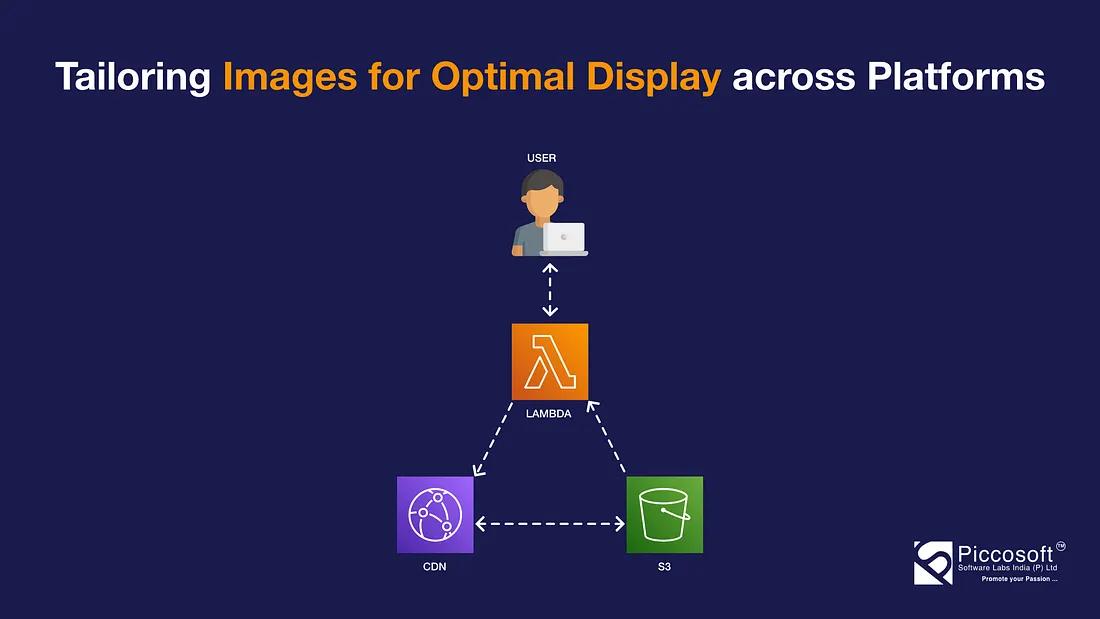
How Lambda, CDN, and Image Optimization elevates user experience across diverse digital platforms
In eCommerce, where user experience reigns supreme, every second counts. Every second holds the potential to shape the narrative of user experience, forging pathways to loyalty or abandonment. From ecommerce platforms to dynamic websites, the loading speed of images can significantly impact user satisfaction, conversion rates, and even search engine rankings. Recognizing this pivotal aspect, Piccosoft have embraced a comprehensive approach to image loading optimization utilizing a combination of Lambda functions, Content Delivery Networks (CDNs), and meticulous image optimization strategies. Understanding the Approach Piccosoft have meticulously crafted a three-step process to enhance image loading performance across diverse digital landscapes. Step 1: Upload to Amazon AWS S3 Bucket The journey of image optimization begins with the upload process. Images uploaded by vendors or administrators are seamlessly stored in Amazon AWS S3 buckets. This ensures a robust and scalable infrastructure for housing images. Step 2: Lambda Function for On-the-Fly Cropping One of the cornerstones of their optimization strategy lies in the utilization of Lambda functions. These functions dynamically define different dimensions for image cropping on the fly. Especially, Instead of creating separate images for different screen sizes or resolutions, Lambda functions offer unparalleled flexibility, allowing for swift adjustments to image dimensions as per evolving platform requirements. This not only streamlines the process of accommodating design changes but also minimizes the storage overhead by maintaining a single primary image per product. Step 3: Integration with CloudFront CDN To ensure swift delivery of optimized images to end-users worldwide, applications seamlessly integrate with CDN services. When a user requests an image, CloudFront orchestrates the retrieval process, leveraging the power of S3 storage and Lambda functions for dynamic resizing and cropping. The cached images are then distributed across multiple geographical locations, reducing latency and enhancing overall user experience. Why Piccosoft Developers Prefer this Approach The rationale behind Piccosoft’s preference for this approach is multifaceted: Scalability By leveraging AWS services such as S3 storage and Lambda functions, the solution remains highly scalable, capable of accommodating fluctuations in user traffic seamlessly. Flexibility Lambda functions offer unparalleled flexibility, allowing for dynamic adjustments to image dimensions without the need for manual intervention. This agility enables rapid adaptation to changing design requirements and evolving user preferences. Performance The integration with CloudFront CDN ensures optimized content delivery to users worldwide, minimizing latency and enhancing overall application performance. By caching images in proximity to end-users, ensured swift access to image visuals, thereby augmenting user engagement and satisfaction. Cost-Efficiency Through meticulous image optimization and dynamic resizing, minimized storage overheads while maximizing resource utilization. This cost-effective approach ensures optimal performance without compromising on quality or scalability. Conclusion Piccosoft ’s approach to image optimization epitomizes a synergy of innovation, efficiency, and user-centric design. By harnessing the power of Lambda functions, CDN integration, and meticulous image optimization strategies delivers an unparalleled user experience, setting a new standard for digital platforms.
By Suresh
Lambda, CDN
Mastering the Art of Code Readability: Best Practices for Clear and Cohesive Coding
In the coding of programming languages, maintaining clarity and consistency in code is crucial for readability and maintainability. From the structure of HTML to the conventions of Python and JavaScript, adopting a cohesive coding style enhances not only the functionality of the code but also its aesthetic appeal. Here are some fundamental style suggestions that can transform tangled code into an elegant and comprehensible masterpiece: Tabs or Spaces Indentation serves as a visual cue, guiding the reader through the logical structure of the code. Whether you choose tabs or spaces, the key is to remain consistent within the project. Each language typically has its own preferred style, and adhering to these conventions fosters uniformity and readability. 2. Proper Naming Meaningful and descriptive names for functions, variables, and other entities in the code contribute significantly to its readability. Embrace the naming conventions specific to each language, such as camelCase in JavaScript orsnake_case in python, where words are in all lowercase letters and separated by underscores. Avoiding abbreviations and choosing words that accurately convey the purpose of the entity enhances clarity and understanding. Comments provide valuable insights into the logic and functionality of the code, serving as annotations for the reader. Strategic placement of concise comments helps clarify complex algorithms or intricate logic. However, it’s important to strike a balance and avoid excessive commentary, as overly verbose comments can clutter the code and detract from readability. In collaborative development environments, adherence to consistent coding style standards is essential. A unified coding style fosters cohesion among team members and facilitates seamless collaboration on projects. Just as a well-structured poem captivates its audience with its elegance and coherence, meticulously styled code transcends mere functionality, embodying the artistry of craftsmanship. Conclusion Mastering coding style is a journey that parallels the pursuit of artistic expression. By embracing indentation, employing thoughtful naming conventions, and judiciously using comments, programmers can elevate their code to new levels of clarity and coherence. Let us strive to write code that not only functions efficiently but also resonates with the beauty of well-crafted prose. As we strive for clarity and consistency in our coding practices, Piccosoft stands as a beacon of quality and innovation.
By Raja
Code style
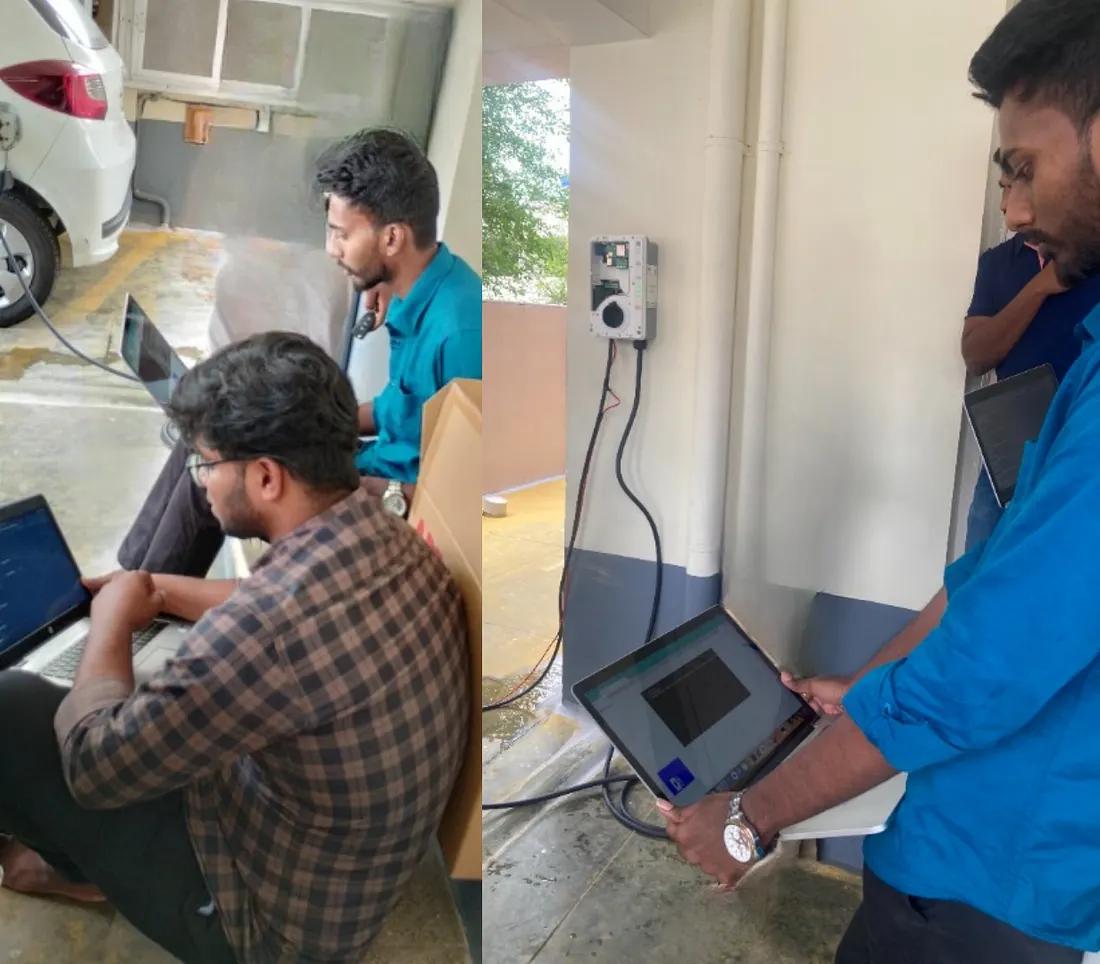
Electric Vehicle Technology: Piccosoft’s Experimental Explorations for OCPP 2.0.1
In today’s world, Electric Vehicles (EVs) have emerged as champions in the quest for a greener, more sustainable future. At Piccosoft, we’re passionate about exploring cutting-edge technologies, and our recent endeavour into the world of EVs has been nothing short of exhilarating. Delving into EV Protocols Our team of developers embarked on an exciting journey to understand the intricate workings of EV technology. One of the crucial aspects we delved into was the Open Charge Point Protocol (OCPP), a protocol fundamental for managing EV charging through charging points. With meticulous attention to detail, we explored the nuances of OCPP, including socket concepts and various events such as EV vehicle connection, charging status updates, remote transactions, and online transactions. Our exploration was not merely theoretical; we put our knowledge to the test by conducting hands-on experiments. We tested the OCPP protocol using a 120V adapter with an EV vehicle, simulating both manual charging and remote charging scenarios. The Importance of EV Technology in Sustainability Through our journey, we gained valuable insights into how EV technology plays a pivotal role in promoting environmental sustainability. By understanding and harnessing the capabilities of EV protocols like OCPP, we can pave the way for more efficient and user-friendly EV charging solutions. Looking Ahead As we reflect on our exploration of EV technology, we are filled with excitement for the future. Our Commitment to exploring new technology and harnessing technology for innovations will continue. If you have a unique project that requires latest implementations using modern tech stacks, then do get in touch with us and write to sales@piccosoft.com
By Suresh
EV technology
More blogs
-

- 1
- 2
-
